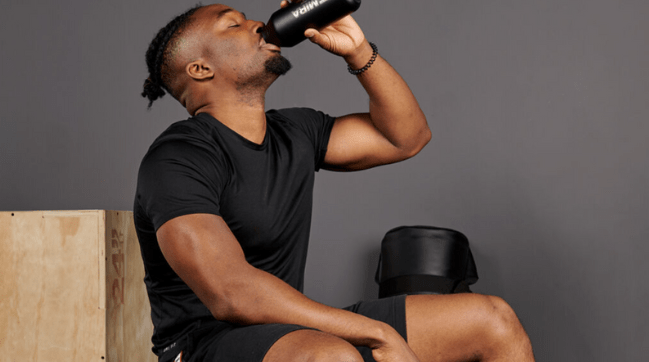
We’ve all heard that staying hydrated is important, but when it comes to fitness, hydration isn’t just about quenching thirst. Staying well-hydrated is crucial for optimal fitness, impacting everything from endurance to strength to recovery and muscle performance. Hydration can make or break your workout, whether you’re at the gym, on a run, or in a yoga class. In this article, we’ll explore how maintaining proper hydration affects your fitness performance and why it is just as essential in achieving your goals as your exercise regime itself.
Hydration Improves Endurance
Some of the most apparent effects of dehydration when exercising are the loss of endurance. If you’re not well-hydrated, your body struggles to regulate temperature and deliver nutrients to your muscles. This can result in early exhaustion, lowered endurance, and failure to deliver your best performance.
The Science Behind It:
Muscles require water to perform well. When you exercise, your body loses water by sweat, and if you don’t replace that fluid, your muscles tire more quickly. Adequate hydration sustains blood volume and endorses effective delivery of oxygen and nutrients to muscles. This helps keep your energy levels up for longer, meaning you can push through longer workouts, run further, or lift heavier weights.
Maintains Electrolyte Balance
Electrolytes (like sodium, potassium, and magnesium) are minerals that support fluid balance, muscle function, and nerve activity. They get lost through sweat, in physical activity, and when not replaced, can hinder performance.
The Science Behind It:
Sweating removes both water and electrolytes, which can upset your body’s natural balance. An electrolyte imbalance can cause muscle cramps, dizziness, tiredness, and even heat exhaustion. Staying hydrated, especially when paired with electrolyte replenishment, allows your body to keep muscle function going strong, your heart rate stable, and prevents cramping so you can crush your workout.
Improves Muscle Function & Strength
Hydrating the body is important both at rest and while performing physical activities, especially during an intense workout. Water also aids in the transportation of nutrients into our muscle cells, assists protein synthesis, and is essential to muscle contraction. On the other hand, dehydration can disrupt these processes and lead to poor muscle performance.
The Science Behind It:
Muscles are approximately 75 percent water, and even minor amounts of dehydration can affect your muscles’ ability to contract efficiently. In fact, studies have shown that dehydration reduces strength and power output. Muscles that lack sufficient water become stiff and are more prone to injury. Drinking enough water helps to lubricate your joints and muscles which can allow for increased flexibility, strength, and mobility while working out.
Prevents Overheating
Sipping away: When you exercise, your body creates heat, then uses sweat to cool off. If you’re dehydrated, your body’s ability to regulate temperature is disrupted, which can heighten the chances of overheating and heat-related illnesses, such as heatstroke or heat exhaustion.
The Science Behind It:
Water is essential for thermoregulation — your body’s ability to stabilize its internal temperature. When you are properly hydrated, your body sweats better, which helps shed excess heat. But if you’re dehydrated, the production of your sweat slows, making body cooling a tricky proposition. This can raise core body temperature, which hurts performance and can be life-threatening in extreme conditions.
Enhances Mental Clarity and Focus
Fitness isn’t only about the body — your mind affects your performance considerably, too. Water has a direct effect on your mental focus, concentration, and cognitive function. Dehydration can cause fatigue, sluggishness, and impaired decision-making — all of which can get in the way of your workout.
The Science Behind It:
Research has indicated that dehydration affects cognitive function, which can result in loss of concentration and slower reaction time. This makes it harder for your brain to operate at peak capacity. Staying hydrated keeps your brain in peak performance mode, meaning you’re more focused, awake, and prepared to crush your workouts.
Helps Recovery and Soreness
Just like the workout itself, post-workout recovery helps you get the best out of it, and you could speed up the recovery process by hydrating more after your workout. It not only replenishes lost fluids due to exercise but also works to assist with nutrient delivery to your muscles to help with recovery time.
The Science Behind It:
Your body is repairing itself from a tough workout. Staying hydrated helps to remove toxins and waste products, including lactic acid, from your muscles so that they do not contribute to muscle soreness. Water also transports nutrients like glucose and amino acids to muscle cells, which speeds recovery. Hydration post-exercise also lessens delayed onset muscle soreness (DOMS) and keeps you on track for bouncing back for your next workout.
Well-Hydrated Blood Means Healthy Circulation
Well-hydrated blood means healthy blood circulation, which is vital for delivering oxygen and nutrients to your muscles and tissues during exercise. It also helps regulate blood pressure, which is a key part of keeping the heart happy while working out.
The Science Behind It:
When you’re adequately hydrated, your blood volume rises and circulates better. This makes transporting oxygen and nutrients to muscles and tissues more efficient. On the flip side, dehydration can lower blood volume, which can make it more difficult for your heart to pump blood efficiently and force your cardiovascular system to work harder. Staying hydrated supports circulation, which keeps your heart working properly while you exercise, and enhances your overall fitness.
Supports Healthy Digestion and Nutrient Absorption
Water is vital for digestion and nutrient absorption as well. Being well-hydrated assists in the breakdown of food in the gastrointestinal system, so that nutrients can be absorbed effectively into the bloodstream and transported to muscles and organs that require them.
The Science Behind It:
Water aids in the process of dissolving nutrients from food, which are then absorbed into the body. It also helps to move food through the digestive tract, reducing constipation and bloating. When you’re dehydrated, nutrient absorption is not as efficient, and you might feel sluggish or lethargic. Make hydration a priority, and your body performs better and gets the most out of the food you give it, and that energy is used when it comes to working out.
Supports Joint Health and Flexibility
Staying hydrated is key to keeping your joints lubricated, too. Drinking plenty of water — synovial fluid, the lubricant in your joints that decreases friction and provides for smoother movement, is maintained properly when hydration is good.
The Science Behind It:
When you’re dehydrated, your body makes less synovial fluid, and the result can be stiff, painful joints. Staying hydrated helps to keep your joints pliable and lubricated, lowering the chance of injury and increasing your range of motion while exercising. This is particularly critical for activities such as running, cycling, and weightlifting, where the health of your joints is crucial to your performance and injury avoidance.
The Right Amount of Hydration
And while it’s fairly obvious that hydration is important for fitness, it’s just as important to know how much water you should be drinking. You are advised to consume at least 8 cups (64 ounces) of water per day, but if you’re physically active for extended periods, you’ll need to replenish the fluids lost from sweat by drinking more.
The Science Behind It:
It’s generally a good idea to drink 16 – 32 ounces of water prior to your workout and 8 – 10 ounces every 20 minutes while training. Replenish water and electrolytes post-exercise if you have been sweating significantly. The trick is to listen to your body and drink whenever you’re thirsty.
Conclusion
Hydrating properly is the best way to maximize your fitness performance and the way your body functions during and post-exercise. Whether it’s to increase endurance, improve muscle function, prevent overheating, or aid recovery, staying hydrated is crucial to achieving your fitness goals. Never underestimate the importance of water—stay hydrated, make it a priority in your workout regime, and see the marked difference in your performance as well as recovery.
FAQs
How much water should I drink while I work out?
During moderate exercise, you should sip on about 8–10oz of water every 20 minutes. You may need more for intense workouts or longer duration activities.
Should I only be drinking water for hydration?
Though the best thing to drink for hydration is water, beverages like coconut water or sports drinks can provide electrolytes during rigorous exercise. But be careful with sugary drinks, which can dehydrate you.
Can being dehydrated affect my mood or concentration?
Yes! Dehydration can hinder cognition, resulting in difficulty concentrating, confusion, and irritability. Drinking enough water keeps your mind clear and focused.
Can you drink too much water?
Yes, there is such a thing as overhydration or “water intoxication,” though it’s rare. Drink water in moderation and listen to your body’s thirst signals.
How can I know if I’m drinking enough?
Your urine color is a good indicator of hydration. If it’s pale yellow, you’re well-hydrated, while dark yellow or amber may indicate you need to drink more water.
Leave a Reply