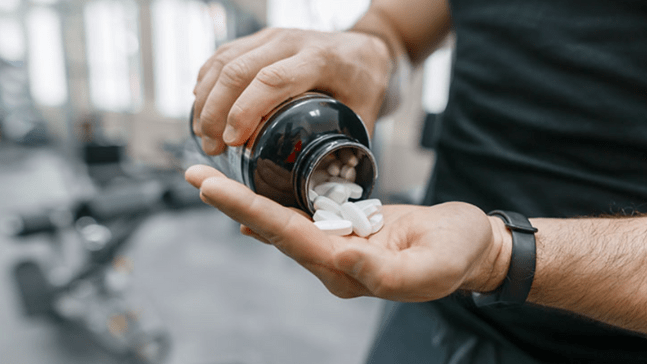
Supplements are one of the first things people think of when they want to perform better in the gym, or achieve an energy or muscle gain plateau. The fitness supplement industry has exploded in recent years, from protein powders to pre-workout formulas. However, these supplements may seem like a miracle solution for those seeking protective benefits, and many don’t know hidden dangers related to them. From the possibility of side effects to unregulated ingredients, these popular products can sometimes be more harm than help. In this article, we will take a look at the secret hazards of popular fitness supplements and why you should reconsider, perhaps, before you reach for that next scoop.
Allergens, Additives, and Containment
The most serious risk with fitness supplements is the lack of regulation. In the United States, as in many other countries, supplements are not held to the same rigorous standards as pharmaceuticals. That means the ingredients in these products aren’t always rigorously tested for purity, potency, or safety before they enter the marketplace. That has left a lot of supplements with unregulated or harmful ingredients.
In reality, certain supplements have tested positive for illegal substances, heavy metals, or other contaminants that may represent a serious health hazard. For example, many pre-workout supplements are known to include stimulants such as DMAA (1,3-dimethylamylamine), which is associated with increased blood pressure, heart issues, and even death (1). Other supplements may also contain trace amounts of heavy metals, such as lead or arsenic, that can build up in the body over time and lead to long-term damage.
The industry isn’t tightly regulated, so it falls upon the consumer to exercise caution and research the products they choose to put in their bodies.
Too Much Caffeine and Stimulants
Many fitness supplements, especially pre-workout formulations, are also loaded with high doses of caffeine or other stimulants to (in theory) provide users with a jolt of extra energy. Caffeine is great in moderation, but in high quantities it can come with a long list of unfortunate side effects.
The overconsumption of caffeine can lead to anxiety, jitters, heart palpitations, insomnia, and even digestion troubles. Some people might be more sensitized to caffeine than others — those individuals will experience the effects more strongly. In the most extreme cases, excess caffeine can cause serious health problems including high blood pressure, dehydration, and heart arrhythmias.
Unfortunately, a lot of pre-workout products do not properly disclose the amount of caffeine (or other stimulants) they contain, which could easily result in an accidental overdose. It’s crucial to read the labels carefully and be careful not to combine multiple stimulants together.
Liver Damage and Stress on the Kidneys
Some over-the-counter fitness supplements, especially fat burners, protein powders, and creatine, can stress your liver and kidneys if abused over time. High doses of protein or amino acid supplements put additional strain on the kidneys, which must filter the waste products of protein metabolism. This can cause harm to the kidney or worsen existing kidney injuries, especially in patients with pre-existing kidney diseases.
Likewise, some fat burners and pre-workout supplements may contain ingredients such as caffeine, synephrine, and other stimulants which in great amounts could increase the burden on the liver and even cause toxicity. However, consuming these products for a long time can cause liver damage, which may not be noticeable until you start having serious problems.
If you take fitness supplements (especially high-protein or high-stimulant options), carefully monitor your overall health, consulting a healthcare professional regularly to check your liver and kidneys.
Hormonal Imbalances
Some, especially testosterone boosters and fat burners, can really throw your hormonal balance out of whack. Many of these products include ingredients that purportedly boost the body’s natural testosterone production or alter hormone levels in other ways.
For instance, some testosterone boosters include a compound called D-aspartic acid, which can disrupt the body’s natural hormone production. These supplements may increase testosterone levels temporarily, but can ultimately result in long-run hormonal imbalances, fertility problems, mood fluctuations, and even gynecomastia (increased male breast tissue). Women who take testosterone-boosting supplements could develop symptoms of masculinization, including deepened voice, hair growth on sites like the face or other signs.
Additionally, fat-burning supplements often contain hormones or substances such as yohimbine or synephrine that can affect hormone levels in our body, which can lead to negative side effects such as high cortisol (the stress hormone) which can tank our mood, interfere with sleep and compromise our overall health.
Overdose and Toxicity
A lot of people don’t know that all those supplements sold over the counter aren’t necessarily safe to take in large amounts. Certain fitness supplements, like fat burners, protein powders, and BCAAs (branch chain amino acids), can be highly poisonous if taken in high doses.
Excess creatine — a supplement that many people take hoping to build muscle — can lead to kidney damage, dehydration, and gastrointestinal problems, for instance. Somewhat ironically, consuming too much protein, particularly in the form of supplements, can lead to kidney overload, dehydration, and digestive issues, such as bloating or constipation. And because some of the fat-burning supplements combine multiple ingredients, the risk of overdose is elevated, which can trigger symptoms like nausea and giddiness and, in some cases, irregular heartbeats and even heart failure.
The most efficient way to use supplements safely is to take them in recommended doses, and not to exceed the dose, however appealing it may seem to take more, for faster action.
Digestive Issues and Other Side Effects
Even if a supplement does not contain harmful ingredients, it can cause unintended side effects — especially at high doses. Many protein powders, for instance, include artificial sweeteners or fillers that can upset the digestive tract, leading to bloating, gas, and diarrhea.
Moreover, most fat-burners and pre-workout supplements contain high doses of caffeine and other stimulants, leading to gastrointestinal distress, nausea, and dehydration. Over time, the digestive system can become sensitive to these artificial additives, preservatives, and other chemicals in many supplements, resulting in chronic discomfort or even digestive disorder.
If you develop gastrointestinal problems after taking a supplement, you should discontinue use and speak with a healthcare professional.
Inflated Claims and Deceptive Marketing
One of the most dangerous elements of fitness supplements is the deception & false promises that often surround many brands of fitness supplements. Many companies promote their products as miracle fat loss or muscle gain or performance-boosting supplements – but unfortunately, the truth is that most data for many of these supplements are not well-documented in presentation of solid science.
Many products are advertised in eye-catching packaging that promises great, fast results, but the truth is, a lot of that is an overstatement or a total lie. The supplement industry is largely unregulated, so companies can make bold claims with little evidence. Always check the ingredients in a supplement, and search for products that have a foundation in legitimate scientific studies and reputable three-part detective work.
Conclusion
Although fitness supplements can offer certain advantages when taken properly, hidden dangers mustn’t be ignored. From unregulated ingredients and excessive caffeine to potential liver damage and hormonal imbalances, the risks associated with trendy fitness supplements are real and often underestimated. However, it is worth mentioning that when it comes to supplements, it is vital to take them with caution, and always be sure to take care of your health and well-being. If you are thinking about incorporating a supplement into your diet, be sure to do your homework, talk to a health-care professional, and do not use supplements as a replacement for a balanced diet and physical activity.
FAQs
Are you saying that all fitness supplements are not safe?
No, not all fitness supplements are harmful. But many popular products include unregulated ingredients or high doses of stimulants that may be harmful. Look for supplements that have been tested for safety and effectiveness.
How do I know if a supplement is safe?
Choose supplements that have been third-party tested for quality and safety. Look out for any known harmful substances on the ingredient list, and be wary of supplements that make exaggerated claims with no scientific support.
Can I obtain the same benefits from food rather than supplements?
Yes, most of the nutrients and benefits that you can get in a supplement can also be found in whole foods. If you want to support any fitness goals you may have, the best approach is a balanced diet that includes lean protein, healthy fats, and complex carbohydrates.
How can I tell whether a supplement is appropriate for me?
Before beginning any supplement, it’s crucial to evaluate your goals, health status, and diet. As always, it’s best to check with a health care provider or registered dietitian to see if a supplement is right for your needs.
Can supplements interfere with medications?
Yes, certain supplements can interact with medications and lead to adverse effects. Always speak with a health care provider prior to adding new supplements to your regimen, particularly if you are on prescription drugs.
Does taking multiple supplements at one go is safe?
Having multiple supplements at once increases the risk of overdosing on certain ingredients or experiencing negative interactions. Thanks for consulting all available data up till,October.
What if I get side effects from a supplement?
Discontinue use of the supplement immediately and speak with a healthcare professional if you experience side effects. Some side effects might be mild, but others may be more serious, so it’s good to get checked out.
Leave a Reply